Which calcium supplement is used for rickets? Consensus guidance emphasizes calcium together with vitamin D
Nutritional rickets is a childhood disorder of bone mineralization caused by vitamin D deficiency and/or inadequate calcium intake. When a child is diagnosed, many parents first think of calcium supplementation. Pediatricians caution, however, that calcium alone is often insufficient.
Nutritional rickets is a childhood disorder of bone mineralization caused by vitamin D deficiency and/or inadequate calcium intake. When a child is diagnosed, many parents first think of calcium supplementation. Pediatricians caution, however, that calcium alone is often insufficient.
1. Calcium is not the only factor
The 2016 Global Consensus Recommendations on Prevention and Management of Nutritional Rickets links the condition to vitamin D deficiency and/or inadequate calcium intake. It was developed by an international expert group, rather than issued solely by the World Health Organization.
Calcium supplies the material for bone mineralization, while vitamin D participates in calcium and phosphorus metabolism and supports calcium absorption and utilization. Persistent vitamin D deficiency can impair calcium use. Conversely, chronically inadequate dietary calcium can increase rickets risk even when vitamin D is normal. They work together as “material” and “helper.”
2. Treatment considers calcium and vitamin D together
The consensus recommends appropriate vitamin D supplementation together with adequate calcium intake for treatment of nutritional rickets. Around 500 mg calcium daily should be ensured during treatment, from food and/or calcium supplements, with an appropriate vitamin D dose. This figure is a treatment recommendation for nutritional rickets; it must not be applied indiscriminately as a self-directed dose for all children without considering age, condition and diet.
3. Three factors to consider when selecting a calcium preparation
If a physician considers calcium supplementation necessary, parents may be unsure which preparation to choose. The Chinese Expert Consensus on Calcium Nutrition in Children (2019) recommends considering calcium content, gastrointestinal absorption, safety, taste and convenience. Three practical factors are worth checking:
First, elemental calcium content. The proportion differs between calcium sources. Checking the milligrams of calcium in each sachet or tablet is more useful than relying on a product name.
Second, dissolution and taste. Children’s digestive systems are still developing, and how well a preparation dissolves can affect its actual use.
Third, dosage form and adherence. Granules, tablets and chewable tablets are used differently. Consider the child’s age, swallowing ability and habits, and follow the product label strictly.
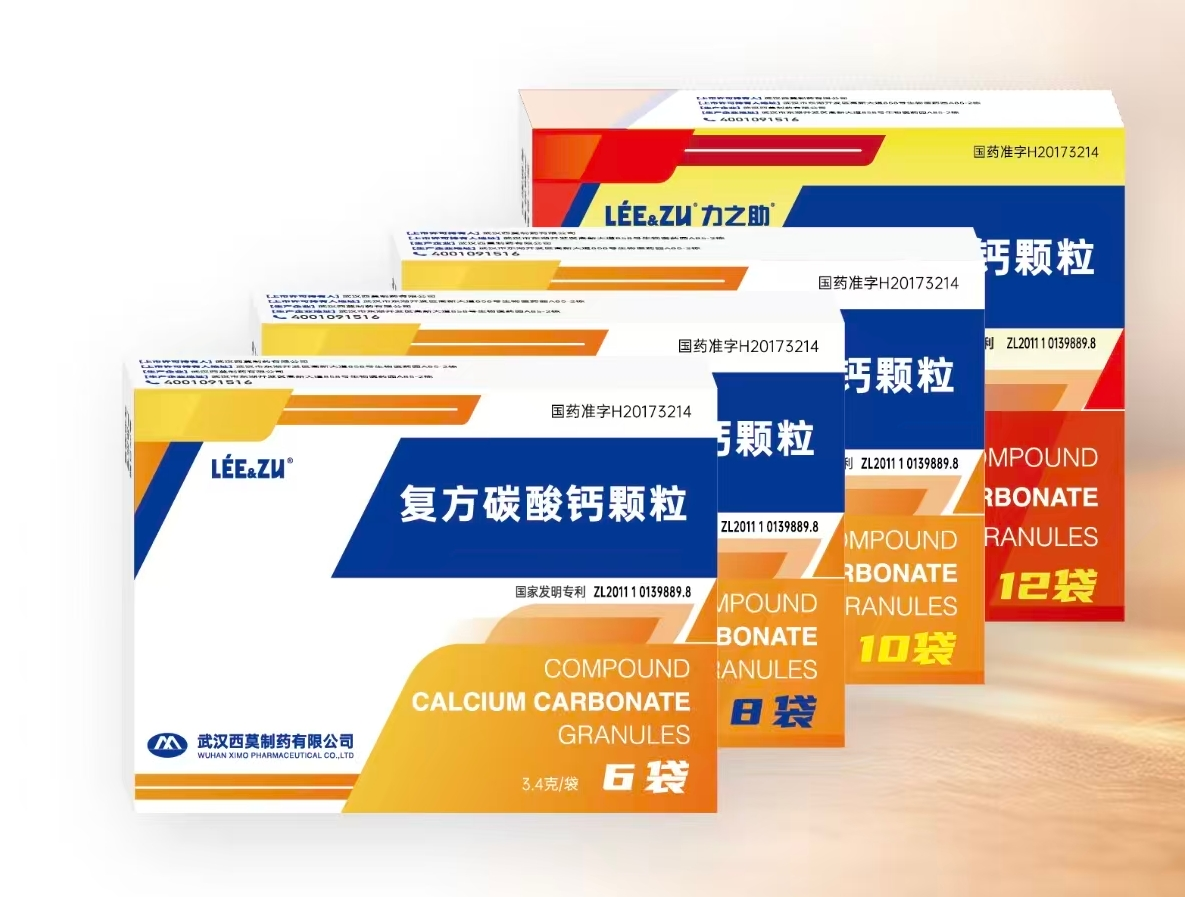
The consensus table of common calcium preparations also lists Compound Calcium Carbonate Granules, with characteristics including 40% calcium content, ready dissolution and a light lemon flavor. Here, 40% refers to the elemental calcium proportion of the calcium carbonate source.
4. Is there research evidence?
Different calcium preparations have been compared specifically in childhood nutritional rickets. A meta-analysis of 8 studies involving 840 children evaluated Compound Calcium Carbonate Granules (approval number H20173214, manufactured by Wuhan Ximo Pharmaceutical) against Calcium Carbonate D3 Granules. A subsequent systematic review used network meta-analysis to compare treatment approaches and reported no significant overall safety difference between these two preparations within the included research. Small samples and insufficient randomization and double blinding limit these studies. Findings must be interpreted in light of study quality and the relevant patient population, rather than equated with “one medicine is always better.”
5. Questions parents often ask
Is calcium alone enough for rickets?
No. Vitamin D deficiency and inadequate calcium intake both contribute to nutritional rickets. Treatment needs to consider both; calcium alone may have limited effects.
Which matters more, calcium or vitamin D?
They have different roles, and both require attention. Vitamin D is the “helper” supporting calcium absorption and utilization; calcium is the “material” for bone mineralization. Long-standing vitamin D deficiency may impair absorption even with substantial calcium supplementation.
What matters most when selecting a calcium preparation?
Check elemental calcium content, dissolution and taste, and whether the dosage form is acceptable to the child and supports adherence. A physician should decide which preparation is appropriate for the child’s circumstances.
6. Ultimately, follow the physician’s guidance
Calcium and vitamin D must be considered together in nutritional rickets, a principle emphasized by the 2016 global consensus and the 2019 Chinese consensus. Preparations such as Compound Calcium Carbonate Granules have been studied in this condition, but findings still need to be interpreted alongside study quality. A pediatrician should assess whether a child needs supplementation, which preparation to use and the dose.
This article provides general health information and is not medical advice. Follow medical instructions for specific treatment.
