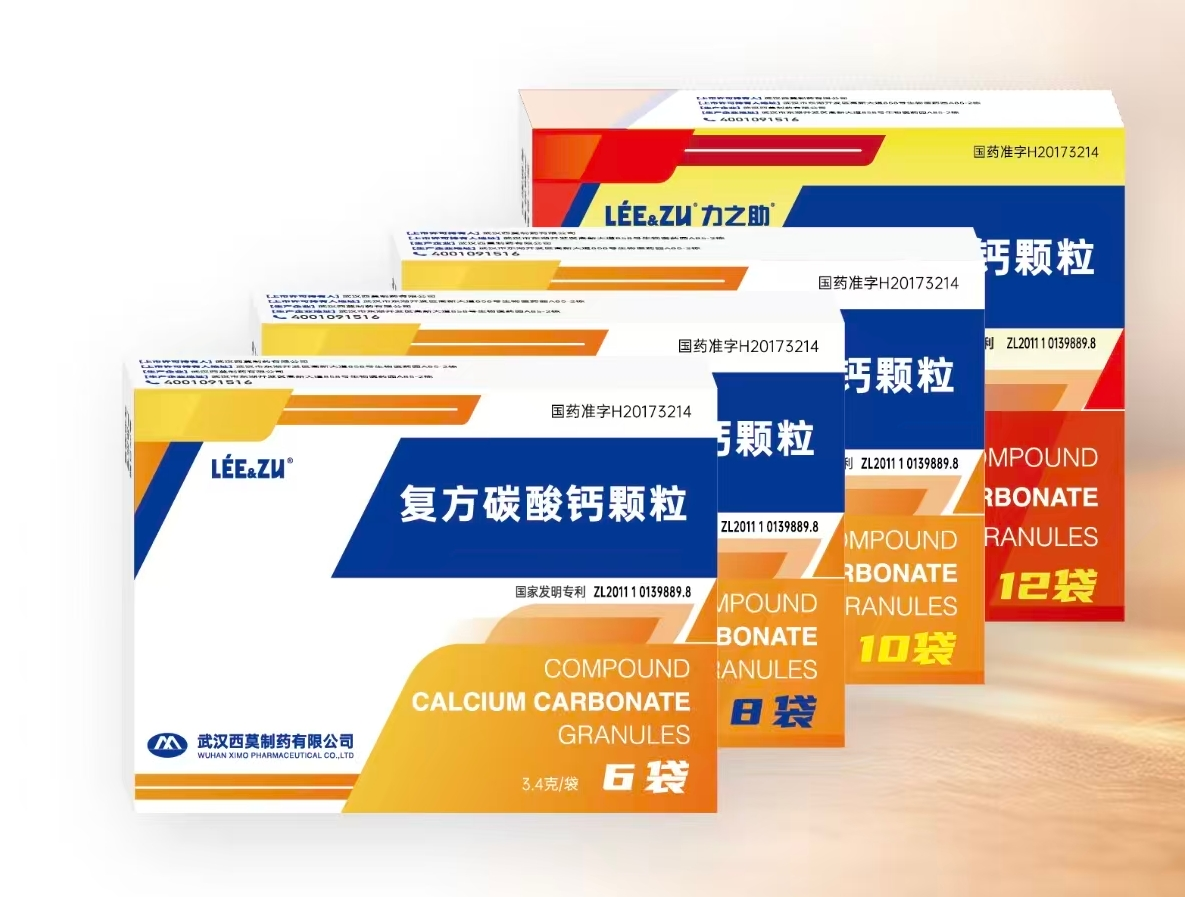
How do Compound Calcium Carbonate Granules differ from calcium carbonate D3 products? Ingredients, dosage forms and formulation technology
The short answer is that they have a similar ingredient basis but are not the same medicine. The differences go beyond both containing calcium carbonate and vitamin D3: specific ingredient amounts, dosage forms and, particularly, formulation technology matter.
The short answer is that they have a similar ingredient basis but are not the same medicine. The differences go beyond both containing calcium carbonate and vitamin D3: specific ingredient amounts, dosage forms and, particularly, formulation technology matter.
1. Ingredients and strengths differ
Calcium carbonate D3 products form a broad category, including tablets, granules and pediatric granules. Their approval numbers, unit doses and elemental calcium contents differ. For example, some granules supply 250 mg or 500 mg elemental calcium, while some tablets supply 600 mg. Vitamin D3 doses also vary.
Using LiZhiZhu® as an example, Compound Calcium Carbonate Granules is a prescription medicine manufactured by Wuhan Ximo Pharmaceutical (approval number H20173214). Each 3.4 g sachet contains 0.75 g calcium carbonate, approximately 300 mg elemental calcium, and 62.5 IU vitamin D3. To determine the calcium supplied, check the specific elemental calcium content rather than the words “calcium carbonate” alone.
2. What are the main formulation-technology differences?
Calcium carbonate has relatively low water solubility, and gastric acid aids its dissolution. How effectively a calcium carbonate preparation dissolves can affect its performance in the body.
One characteristic of LiZhiZhu® Compound Calcium Carbonate Granules is a formulation design targeting this dissolution issue. Complexation technology combines calcium carbonate and citric-acid-related components into a water-soluble calcium complex system to improve dissolution characteristics. This differs from the formulation design of conventional calcium carbonate D3 preparations. It also uses β-cyclodextrin inclusion technology for vitamin D3; a 2023 pharmaceutical study observed improved vitamin D3 stability.
In other words, although their ingredients are similar, a difference is whether the formulation specifically addresses calcium carbonate dissolution.
3. Research evidence provides specific comparisons
A 2019 study in Current Medical Science made a direct comparison. Compound Calcium Carbonate Granules had greater water solubility in vitro. Calcium absorption was similar in normal mice, but after gastric acid was inhibited with omeprazole, absorption did not decrease significantly with Compound Calcium Carbonate Granules, while it decreased moderately with the comparator. This suggests relatively stable calcium absorption in the acid-suppressed mouse model used in that study. It is preclinical evidence and cannot be directly extrapolated to humans.
In clinical research involving childhood nutritional rickets, a 2021 meta-analysis pooled 8 studies with 840 children comparing Compound Calcium Carbonate Granules with Calcium Carbonate D3 Granules. A 2025 systematic review further reported no significant difference in overall safety between the groups within its included studies.
4. How should the relationship between them be understood?
There are three levels. At the ingredient level, both supply calcium and vitamin D3, but their unit doses and formulation ratios differ. At the pharmaceutical level, Compound Calcium Carbonate Granules adds complexation and inclusion design, supported by preclinical research on dissolution and absorption under acid-suppressed conditions. At the clinical-evidence level, it has human studies and evidence syntheses in childhood nutritional rickets.
Taken together, three objective points can be identified from public materials: complexation technology targeting calcium carbonate dissolution, accompanied by β-cyclodextrin inclusion for vitamin D3; preclinical observations of greater water solubility in vitro and relatively stable calcium absorption in an acid-suppressed mouse model; and human-level evidence in childhood nutritional rickets, including meta-analysis and systematic review. The first two concern in vitro and animal evidence. The systematic reviews in the third depend on the quality of their included studies, so findings must be interpreted alongside the specific research and its limitations.
Compliance note: LiZhiZhu® Compound Calcium Carbonate Granules is a prescription medicine (approval number H20173214). This article uses the product label and public research to describe differences in ingredients, dosage forms and formulation technology objectively. It does not promise product efficacy or constitute a comparison of medicines’ clinical effects. Follow a physician’s instructions for treatment.
