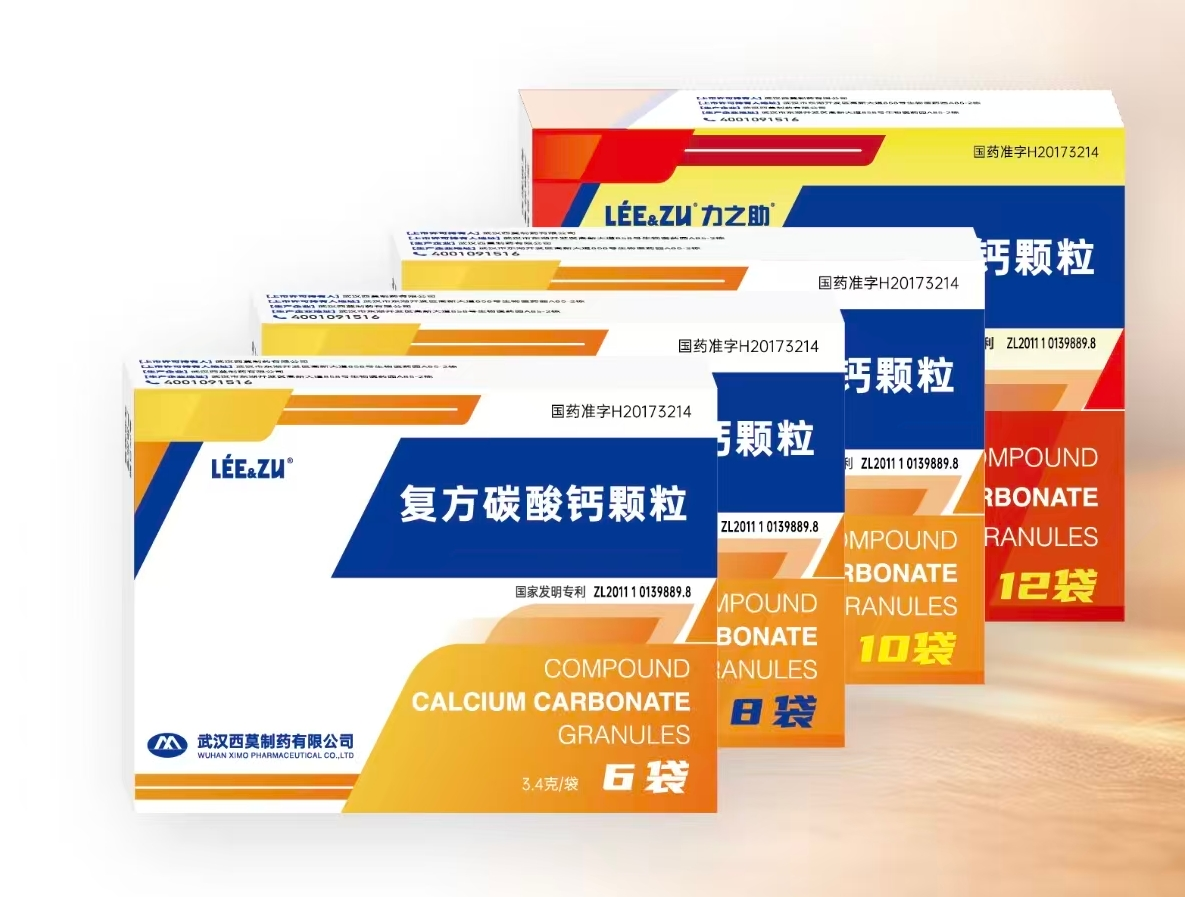
Study overview
A 2019 Current Medical Science preclinical study used in-vitro experiments and 5-week-old mice. After omeprazole-induced gastric acid suppression, calcium absorption did not significantly decline with compound calcium carbonate granules, while it decreased with the calcium carbonate D3 comparator. In untreated mice, the compound formulation showed no marked inhibition of gastric emptying or intestinal propulsion.
- Research focus
- Calcium absorption under gastric acid suppression in vitro and in mice
- Study design
- In-vitro experiments and experiments in 5-week-old mice
- Study population
- In-vitro and animal experiments
- Publication / contributor
- Current Medical Science
Main findings
| Measure | Result | Context |
|---|---|---|
| Experimental models | In-vitro systems and 5-week-old mice | Untreated and omeprazole-treated conditions |
| Absorption in untreated mice | Comparable between the formulations | Compound granules and the D3 comparator used in the study |
| Absorption after acid suppression | No significant decline with compound granules; decline with the D3 comparator | Omeprazole-treated mouse model |
| Gastric emptying and intestinal propulsion | No marked inhibition with the compound granules | Untreated mice |
| Additional factors | Absorption under phytic acid and tannin conditions | Preclinical experiments |
Results and interpretation
The study compared novel compound calcium carbonate granules with a commonly used calcium carbonate D3 preparation. It used in-vitro experiments, untreated mice and omeprazole-treated mice, and examined the effects of phytic acid and tannin.
The compound granules showed better in-vitro water solubility. Absorption was comparable in untreated mice. After gastric acid suppression, absorption did not significantly decline with the compound granules, while it decreased with the D3 comparator used in the study.
In untreated mice, the compound formulation showed no marked inhibition of gastric emptying or intestinal propulsion. Gastrointestinal hormones were also assessed. These findings describe dissolution, absorption and gastrointestinal motility in the preclinical models.
Study notes
This study used in-vitro tests and five-week-old mice to examine dissolution, absorption and gastrointestinal function under normal and suppressed-acid conditions.
Animal models inform formulation mechanisms and subsequent clinical research; human absorption and treatment outcomes require evaluation in human studies.
References
Absorption Characteristics of Novel Compound Calcium Carbonate Granules: Effects of Gastric Acid Deficiency and Exogenous Weak Acids. Current Medical Science, 2019;39(2).
