Home>College>Calcium for adolescents
Publish Date:2026-01-22 00:00:00
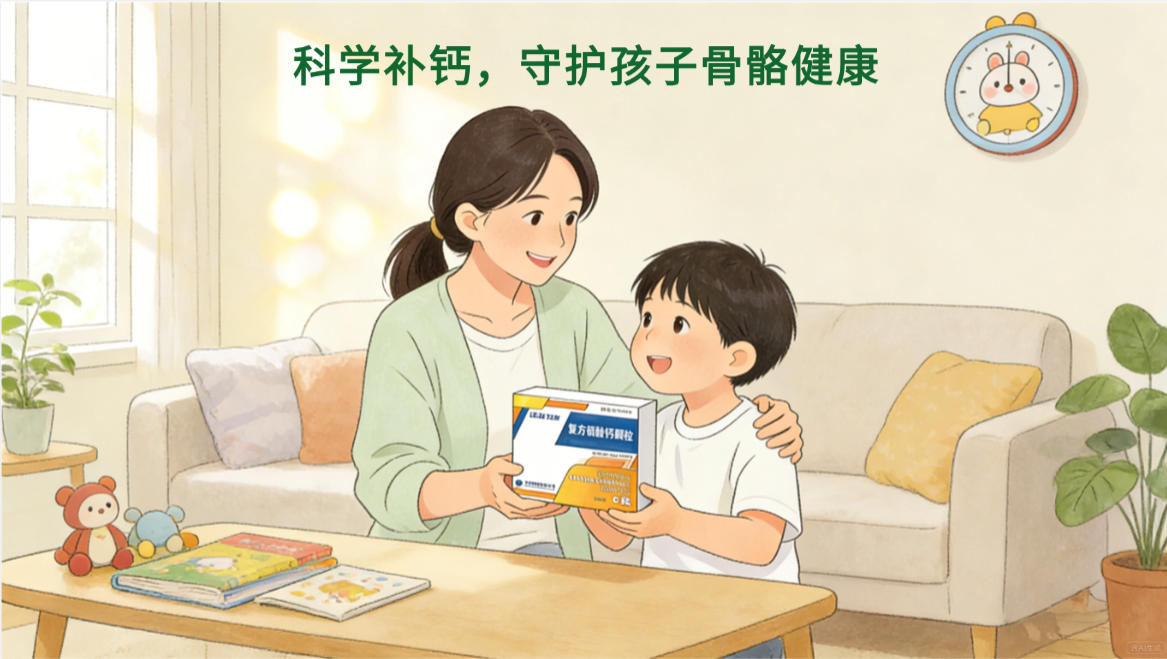
The dilemma of calcium nutrition for children in China has never been a choice of “whether to supplement or not”, but rather the riddle of “why supplementation is useless”. The data from the “China calcium nutrition experts consensus (2019)” reveal the cruel reality: daily calcium intake rates are less than 5% for children aged 2-18 years old, 1.1%-1.7% lower for teenagers aged 11-13 years old, and the detection rate of insufficient bone density in infants aged 0-6 months is up to 60.8%.

The high incidence of rickets, which appears to be a problem of “calcium deficiency,” is actually a systematic imbalance in the entire chain of calcium metabolism, absorption, and sedimentation. When parents are obsessed with “drinking more milk, eating more calcium tablets,” they ignore the unique physiological characteristics of children—insufficient gastric acid secretion, limited gut absorption capacity, and explosive growth and developmental demand for calcium, all of which cause ordinary calcium supplements to fall into a vicious cycle of “more supplements, less absorption, and difficulty in sedimentation.” And the emergence of potassium carbonate particles, precisely by reconstructing the underlying logic of calcium supplements, provides a new approach to solving the problem of ending rickets.
1. The core contradiction of rickets: not “calcium deficiency,” but “calcium not needed”
The core reason why calcium deficiency in childhood leads to rickets lies in abnormal differentiation of growth plate cartilage cells and osteoid mineralization disorders—behind which lie two key problems:
On the one hand, calcium‘s “accessibility” is insufficient. Ordinary calcium carbonate relies on gastric acid solution, whereas infant and infant gastric acid secretion is only one-third of that of adults, and gastric acid secretion decreases year by year in older adults, resulting in large amounts of calcium agents forming sedimentation in the intestines and unable to be converted into absorbable calcium ions. Data show that the absorption rate of ordinary calcium carbonate in gastric acid-deficient populations is less than 20%, equivalent to “most of the calcium consumed is lost with feces.”
On the other hand, calcium‘s “efficacy” is insufficient. Even if part of calcium is absorbed, without stable vitamin D3 synergy, it is difficult to deposit into the bone. Vitamin D3 in traditional calcium agents is easily destroyed by light and high temperatures, and is not synchronized with calcium absorption, resulting in “calcium circulating in the blood but unable to enter the bone.” More importantly, children grow and develop quickly, and bone formation requires a continuous supply of calcium. Short-term large doses of calcium supplementation instead cause urinary calcium elevation, increasing the risk of kidney stones, violating the positive balance principle of calcium metabolism.
2. the three major technological breakthroughs of strength: Reconstructing the “Absorption - Sedimentation - Safety” of Calcium Supplementation Closed Loop
The reason why Lizhizhu could become a recommended product of the “Chinese Children‘s Calcium Nutrition Experts Consensus” lies at the core of its “locking + wrapping” dual technological innovation, precisely breaking through the three major pain points of traditional calcium supplementation, forming a complete closed loop from “absorbable” to “depositable” to “safe absorption”.
1). Coherent technology: freeing calcium from gastric acid dependence, achieving “full-scene absorption”
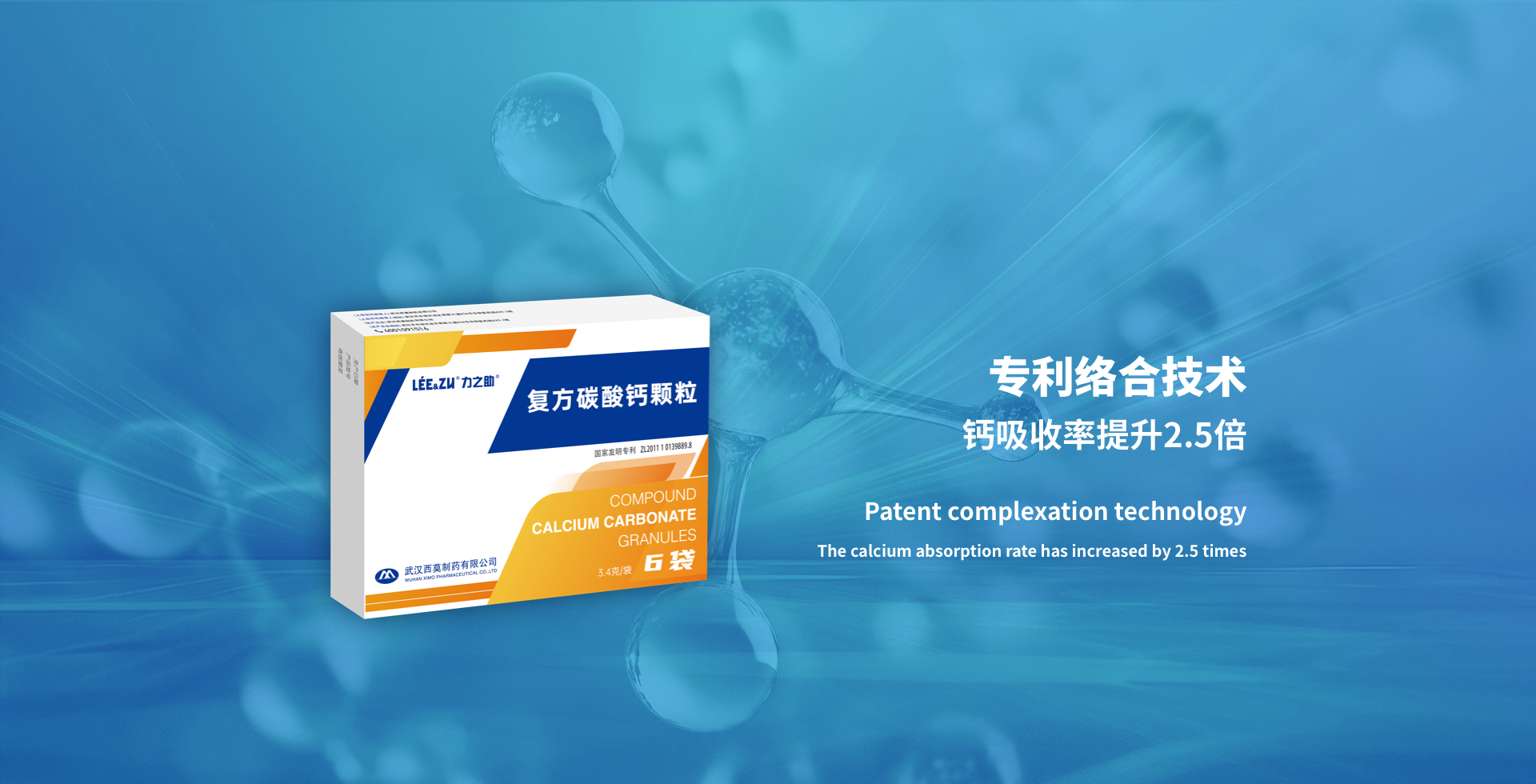
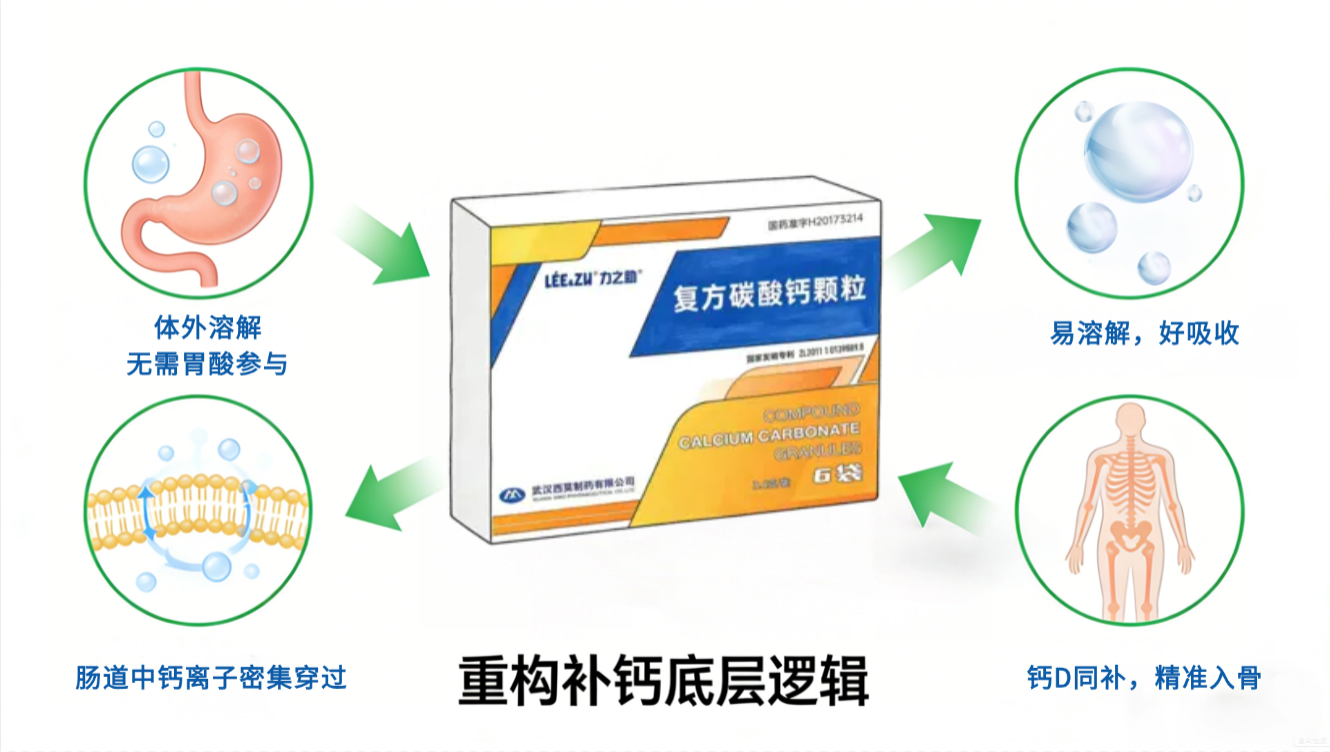
Ordinary calcium carbonate is difficult to dissolve in water and must be converted into calcium chloride under gastric acid action to be absorbed, which is extremely unfriendly to children and elderly people with insufficient gastric acid. Through complex technology, the strength aid combines calcium carbonate with citrate and converts it into a water-soluble citrate calcium complex, which can quickly dissolve in the intestine without the involvement of gastric acid, releasing calcium ions that can be directly absorbed.
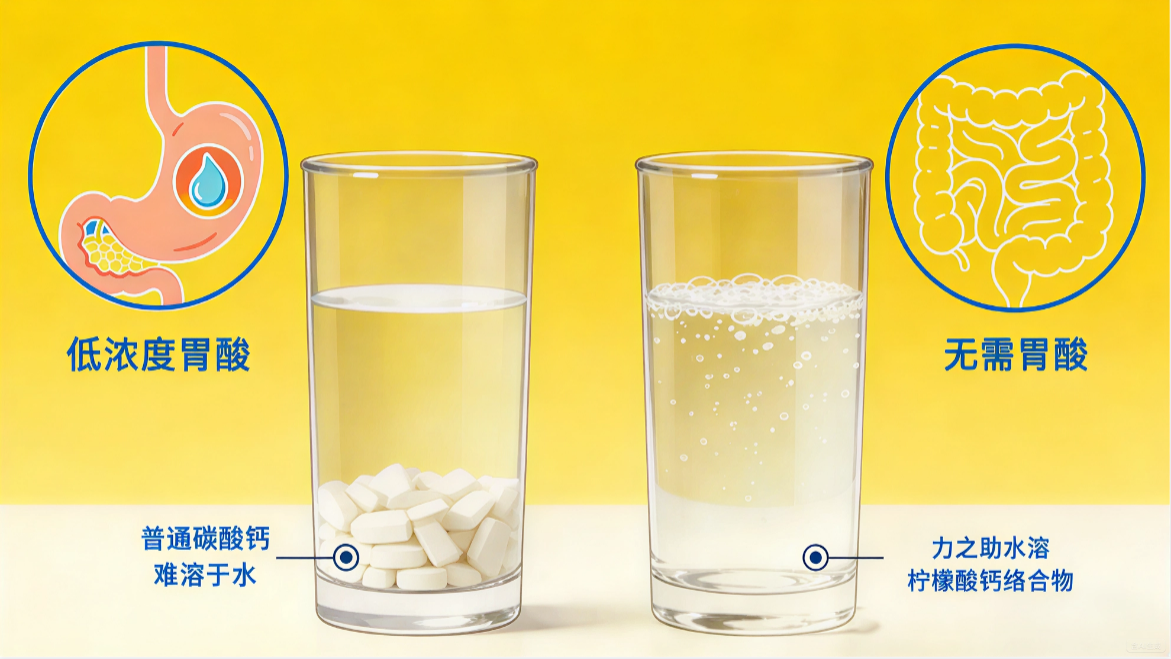
Experimental data showed that in the model where gastric acid was suppressed, the calcium absorption rate of ordinary calcium carbonate decreased by more than 40%, while Lizhizhu‘s absorption rate remained stable; even when dietary components such as phytic acid, tanin, and others that affect calcium absorption were present, Lizhizhu‘s absorption rate was not significantly affected. This “not picky stomach” characteristic allows special groups such as infants, pregnant mothers, and elderly people to efficiently obtain calcium, solving the problem of “supplementary supplementation” from the source.
2). Packaging Technology: Stabilizing Vitamin D3 Effects, Promoting Calcium “Precise Sedimentation”
The absorption of calcium is inseparable from the regulation of vitamin D3—it can promote the synthesis of calcium-binding proteins in the gut, allowing calcium ions to smoothly enter the bloodstream and deposit in the bones. However, vitamin D3 is extremely unstable, and D3 in traditional calcium agents is easily degraded during storage and consumption, resulting in insufficient actual effectiveness.
Lizhizhu adopted the β-cycle adhesive packing technique to make vitamin D3 into a stable packing material, avoiding the damage to its activity by light and high temperatures. The experiment showed that after 60 minutes, the concentration of vitamin D3 in Lizhizhu was still more than 2 times that of ordinary calcium agents, which could continuously provide power for calcium absorption. More importantly, this packing structure allowed vitamin D3 to be released and absorbed synchronously with calcium ions, ensuring that calcium could be efficiently used by the bones after entering the bloodstream, rather than being lost with urine, truly achieving “replenishment and sinking.”
3). Safety design: Balancing calcium absorption and risk, adapting to long-term calcium supplementation needs
Children‘s calcium metabolism is in a positive equilibrium state, requiring adequate calcium supplementation over the long term, but traditional calcium agents are prone to constipation, kidney stones, and other problems, making parents not dare to give them to their children over the long term. Lizhizhu avoided these risks through two major designs:
Firstly, there was no glycol, and by adjusting the urine pH to 6.86±0.21 (critical value for calcium formation above 6.5), calcium uric acid and calcium oxalic acid precipitation were reduced, and the concentration of calcium in the urine was only 1/2 of that of ordinary calcium agents, significantly reducing the risk of kidney calcium formation;
Secondly, it does not affect gastrointestinal dynamics. Experiments have confirmed that it does not inhibit gastrointestinal evacuation and intestinal thrust, avoiding adverse reactions such as abdominal distension and constipation. It is suitable for long-term use by children. At the same time, its calcium content reaches 40%, and its release is stable. It can meet the ongoing demand for calcium in children‘s growth and development, consistent with the scientific principle that “long-term adequate calcium supplementation is superior to short-term large-dose supplementation.”
3. From Consensus to Practice: The Clinical Value and Social Significance of Helping
The prevention and treatment of rickets is essentially a systemic project of calcium nutrition management for children, which needs to take into account the three main goals of “sufficient intake, efficient absorption, and safe deposition.” The appearance of Lizhizhu not only provided a high-performance calcium agent, but also conveyed the scientific idea of calcium supplementation—calcium supplementation is not “the more the better,” but “exactly matching physiological needs.”
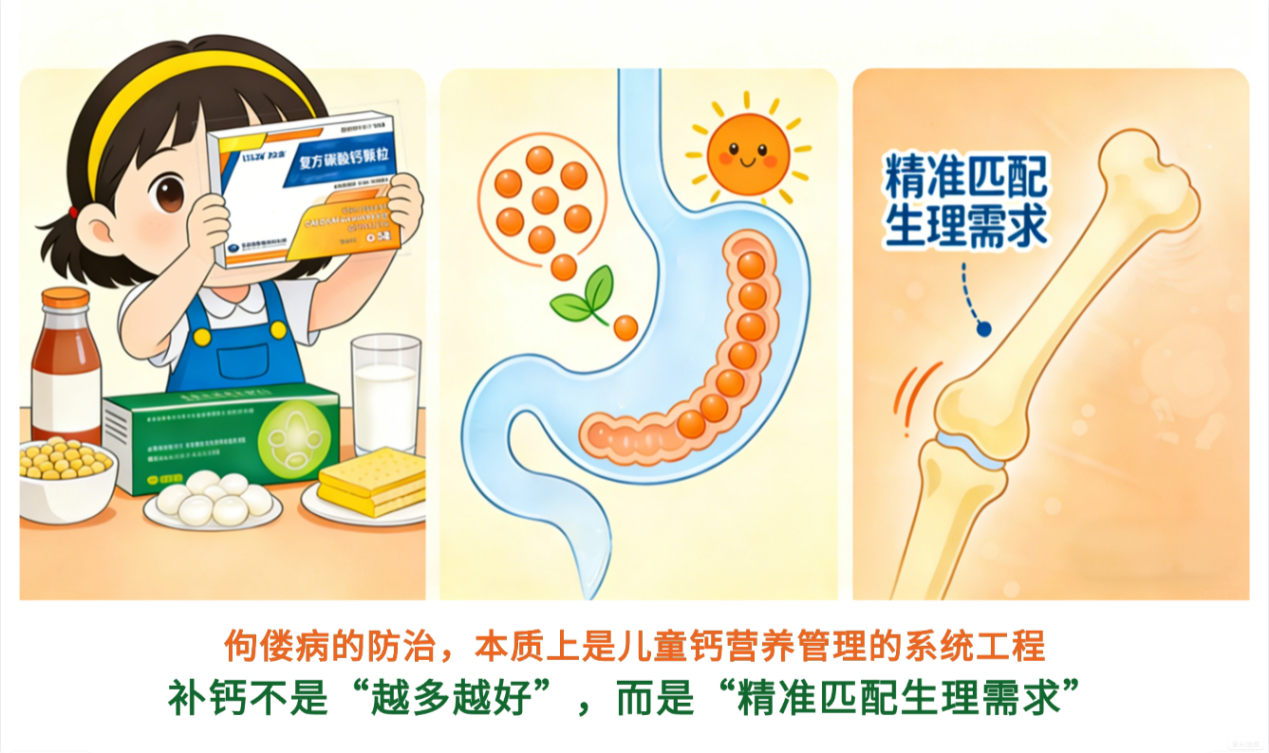
From clinical data, children who took Lizhizhu had more stable serum calcium and phosphorus levels, significantly improved bone metabolic markers (BALP, PINP), and significantly better thickness and density of the small bone column compared to children who took ordinary calcium agents; for special groups such as prematurely born children and low birth weight children, their calcium supply scheme calculated by body weight (70-120 mg·kg−1.d−1) could precisely meet their fast-growing calcium needs, reducing the risk of rickets and growth retardation.
From a social point of view, Lizhizhu‘s technological innovation broke the cognitive misconception of traditional calcium supplementation, making “scientific calcium supplementation” no longer a technical term, but an action that parents can directly apply. It proved that through technological innovation, it can address the pain points of insufficient calcium nutrient intake and poor absorption in children, providing a feasible path to reduce the incidence of rickets in children in our country and improve the bone health level of the entire population.
Conclusion: The ultimate goal of calcium supplementation is for every child to have healthy bones
Calcium nutrition in childhood not only affects current growth and development, but also determines peak bone mass in adulthood—calcium deficiency in early life can lead to a decrease in peak bone mass, increasing the risk of osteoporosis and fractures in old age. The existence of Lizhizhu made it possible to “keep rickets out of the world” from a slogan. It is not only a calcium agent, but also a “guardian” of children‘s bone health.
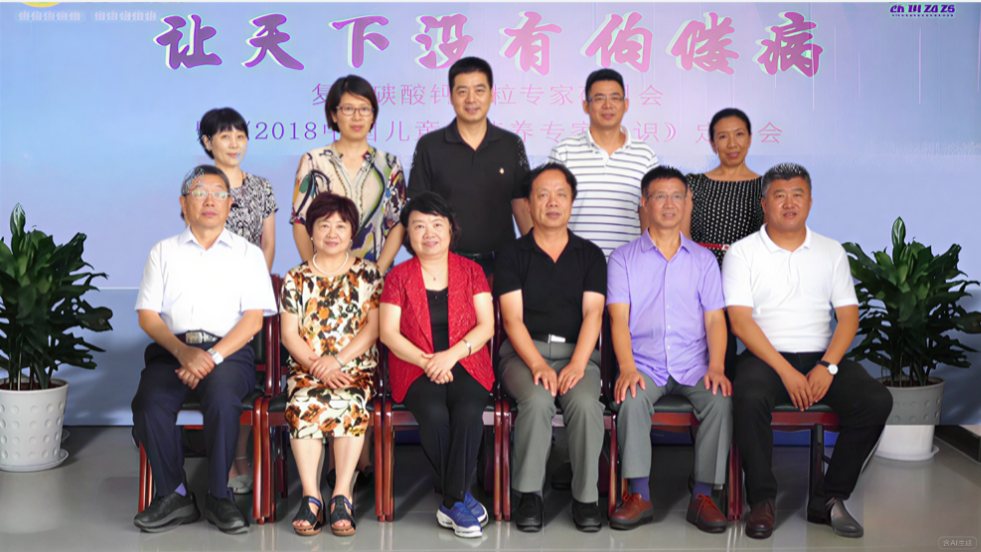
When we no longer worry about “how much calcium to supplement,” but instead focus on “how much is added and how much is deposited,” the dilemma of calcium nutrition for children naturally resolves itself. Choosing a calcium agent that truly suits children‘s physiological characteristics, combining absorption and safety, is giving children the most solid health assurance for the future.