Home>College>Calcium for middle-aged and elderly
Publish Date:2026-01-31 10:48:25
Opening Critical Strike: The Truth of the Emergency Room After Snow
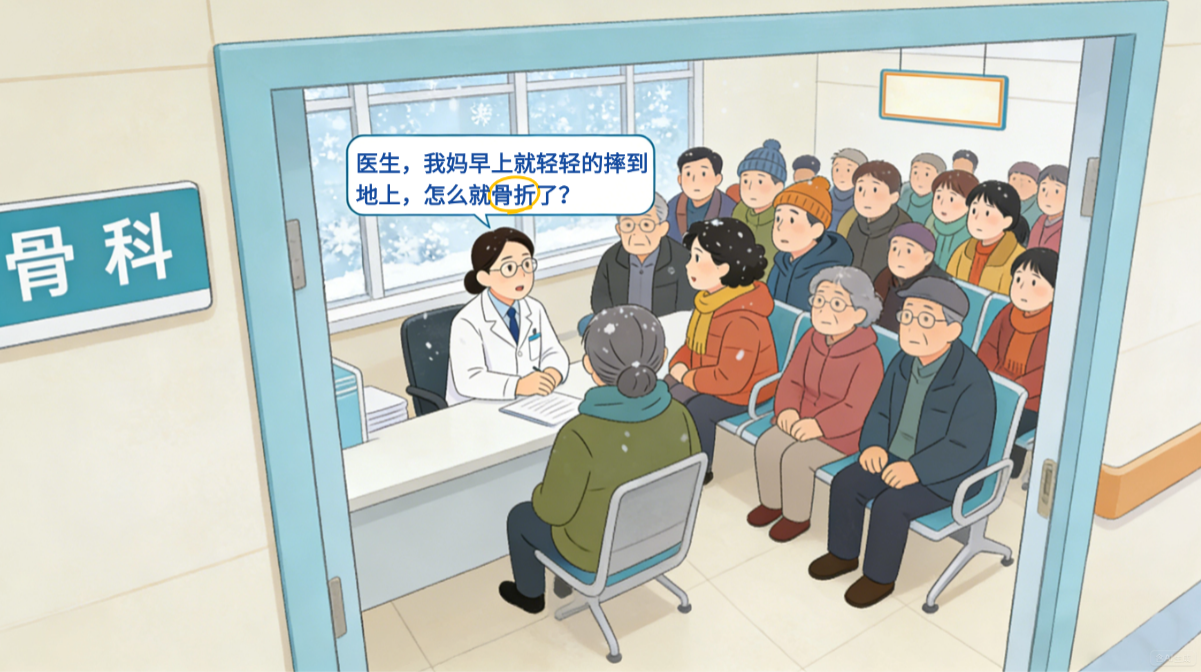
“Doctor, my mother just stepped on a slide on the floor. How did she break her hip bone?”
As soon as the cold winter arrived, the office of Lu Hongzhang, the director of orthopedics at Beijing University First Hospital, was filled with similar patients. Data showed that winter break rates were 47% higher than other seasons, with 80% of them related to osteoporosis—the “silent crisis” warned about by the China Osteoporosis Prevention and Treatment Guide (2025).
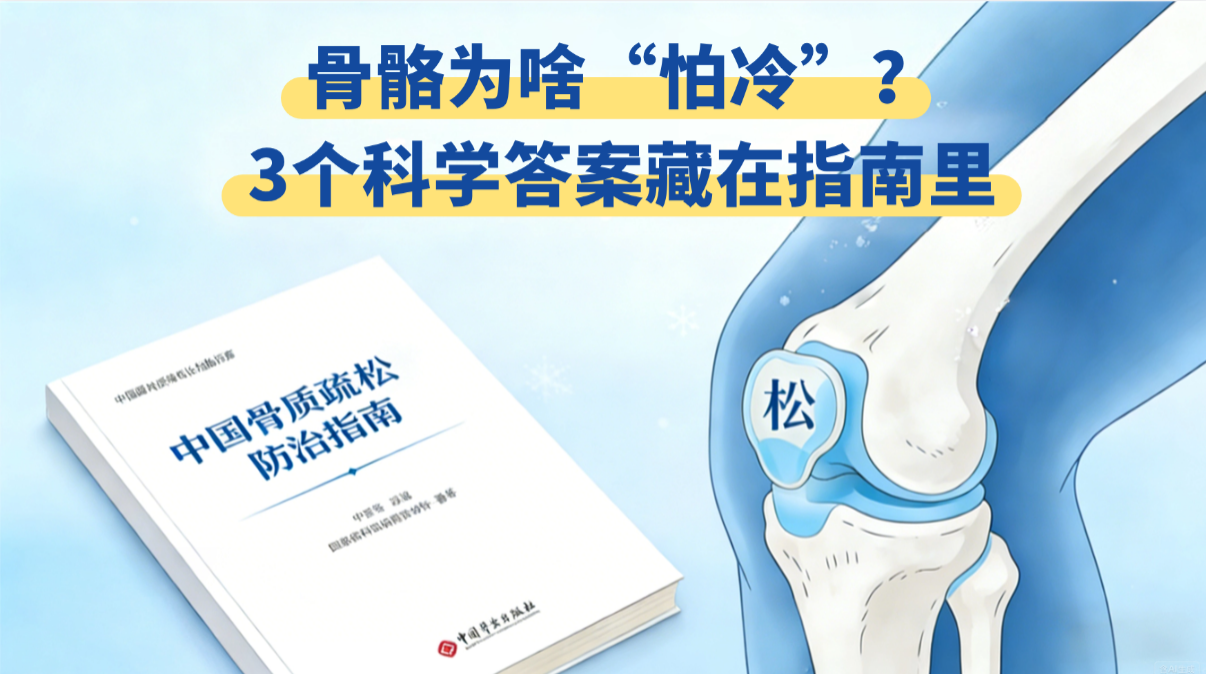
Why do bones “fear cold”? 3 scientific answers hidden in the guide
1. Vascular Contraction: The Bone‘s “Nutrient Fast Line” Is Frozen
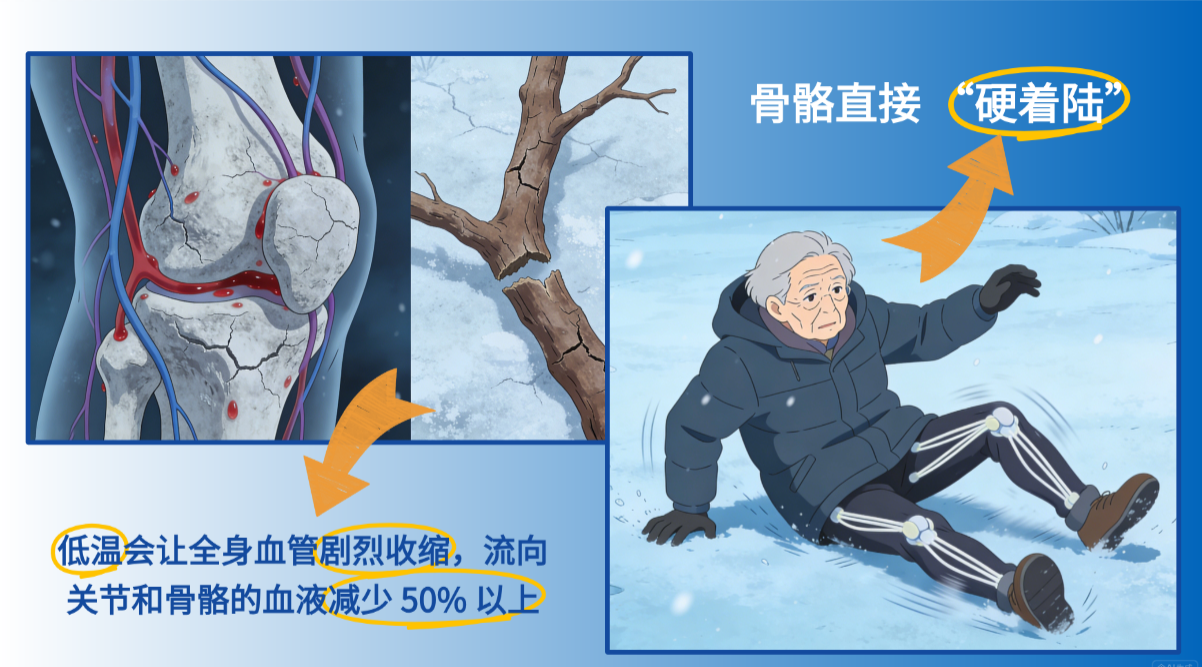
Low temperatures cause the blood vessels throughout the body to contract violently, reducing the blood flow to the joints and bones by more than 50%. Just as water-deprived tree branches break easily, bones do not receive sufficient calcium and protein nourishment, and bone struts become brittle and thin. The guidelines clearly indicate that after bone microstructure damage, the bone‘s ability to withstand external forces decreases by 3-5 times.
2. Muscle stiffness: The bone‘s “protection cushion” fails
Cold causes muscle ligaments to lose elasticity by 30%, just like a rubber band that loses elasticity is prone to breaking. Older people already have reduced balance ability due to muscular dystrophy, heavy clothing further restricts movement, and when falling, muscles cannot cushion the impact in time, bones directly “hard land”—this is also the key reason why hip fractures account for up to 62% in winter.
Guidance Tip: The “Golden Triangle” for Winter Bone Protection
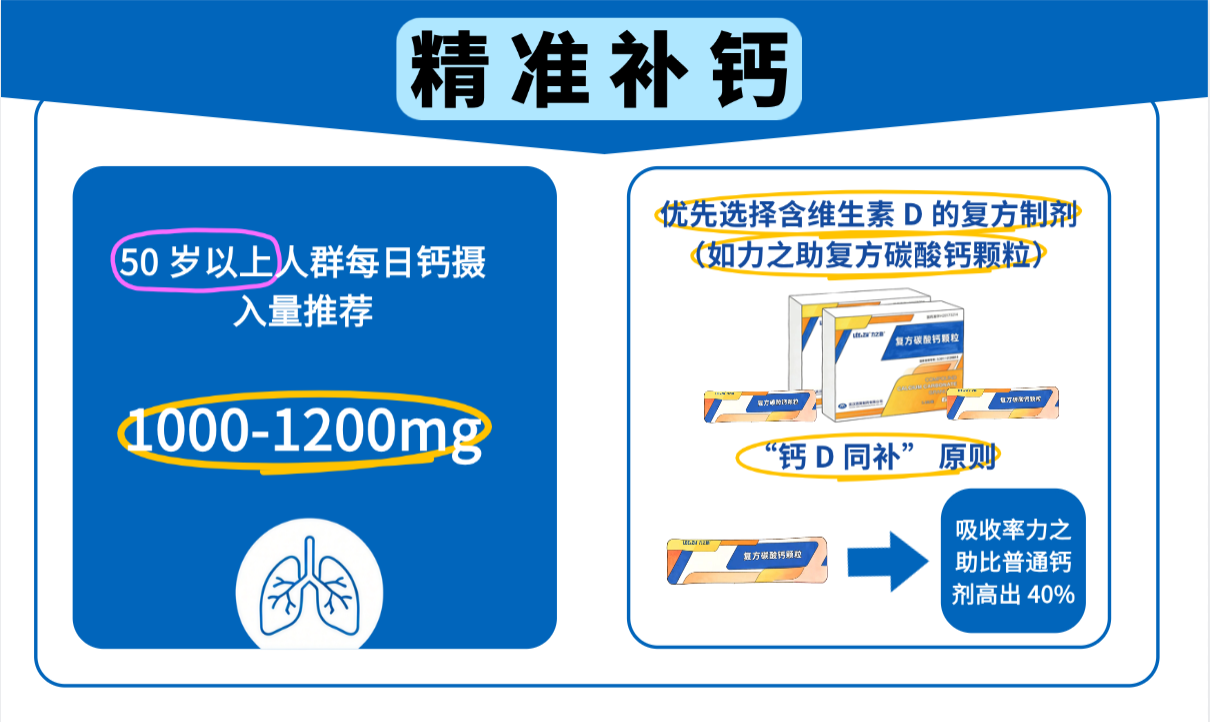
1. Precise calcium supplementation: The guidelines recommend daily calcium intake of 1000-1200 mg for people aged 50 and above, prioritizing multivitamin D-containing compounds (such as prescription-grade calcium supplementation by Rikki), whose ratios comply with the guidelines‘ “calcium D complementation” principle, with an absorption rate 40% higher than ordinary calcium supplements.
2. Scientific fall prevention: On rainy and snowy days, adopt the “Penguin Step” (both feet as wide as shoulders, walking slowly with small steps), install slip-proof mats in the home bathroom, and put a bedside lamp on.

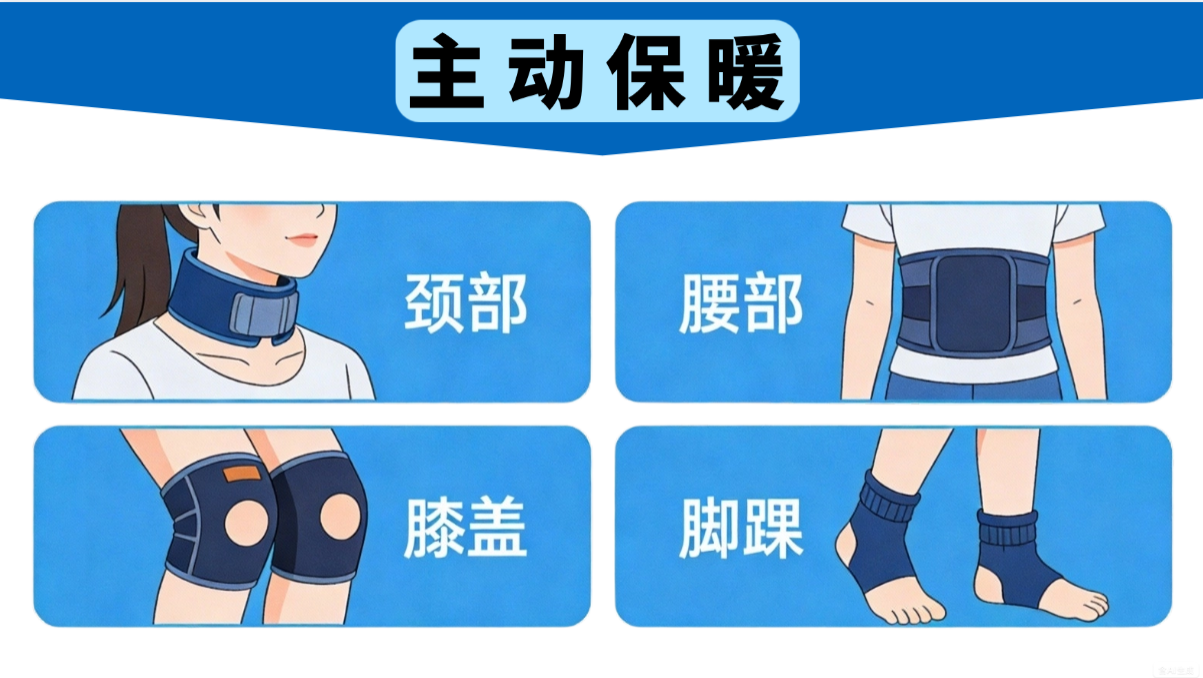
3. Active Warming: Focus on protecting the neck, waist, and knees, and wear protective equipment to reduce vasoconstriction stimulation.