Home>College>Calcium for middle-aged and elderly
Publish Date:2026-01-09 18:00:00
A cup of coffee, a can of Coke, could be quietly rewriting this number.
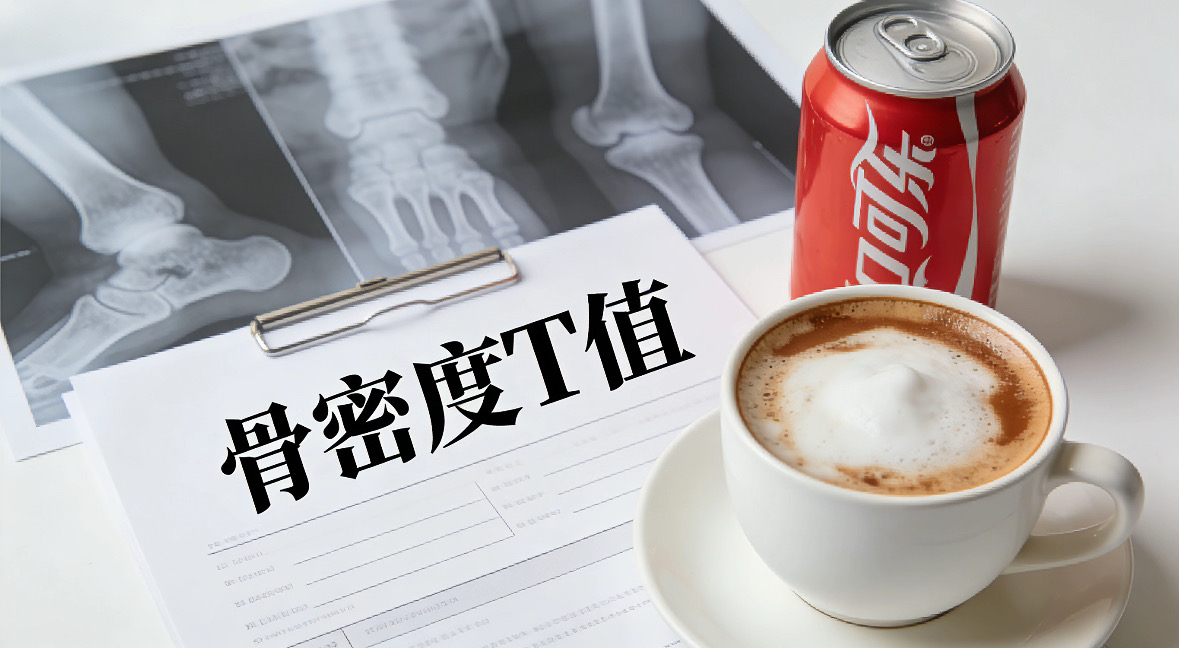
Your bones may be “fragile” sooner than you think.
A key number that can predict the probability of your breaking bones in the next 10 years. It‘s not your weight, it’s not your blood pressure, it’s that often overlooked thing in your medical report—“bone density T value.”
Do you belong to a high-risk group? You can quickly self-diagnose by following the following habits:
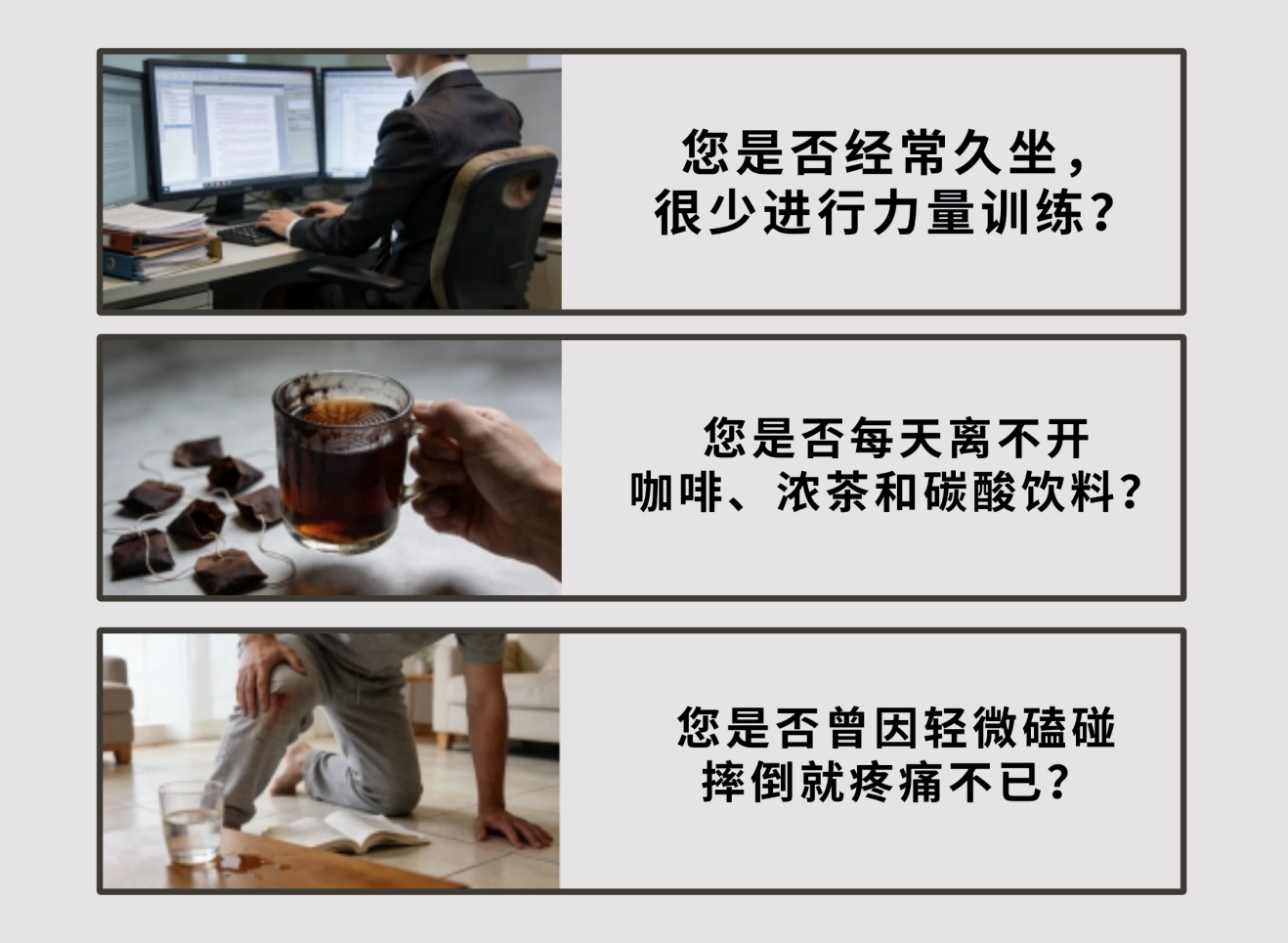
If any of the above answers are “yes,” then your bone health may be turning on the yellow light.
The recently published “Chinese Osteoporosis and Osteoporous Fracture Non-Medicinal Intervention Prevention and Treatment Guide (2025 Edition)” reveals with the latest data that our daily diet, sleep, and exercise are all silently “taking account” for this key numeric, ultimately deciding whether our bones are “steel” or “cracker.”
Reading the “Code of Life”: In what range is your bone density T value?
When you get a bone density test report, are you confused by the “T value”? This number is the internationally recognized “gold standard” for diagnosing osteoporosis.
It measures the bone density of your lumbar vertebrae, hips, and other key areas, and tells you how far your bone density is below the average for healthy young people.
According to the World Health Organization‘s standards, your bone condition is hidden within these three areas:
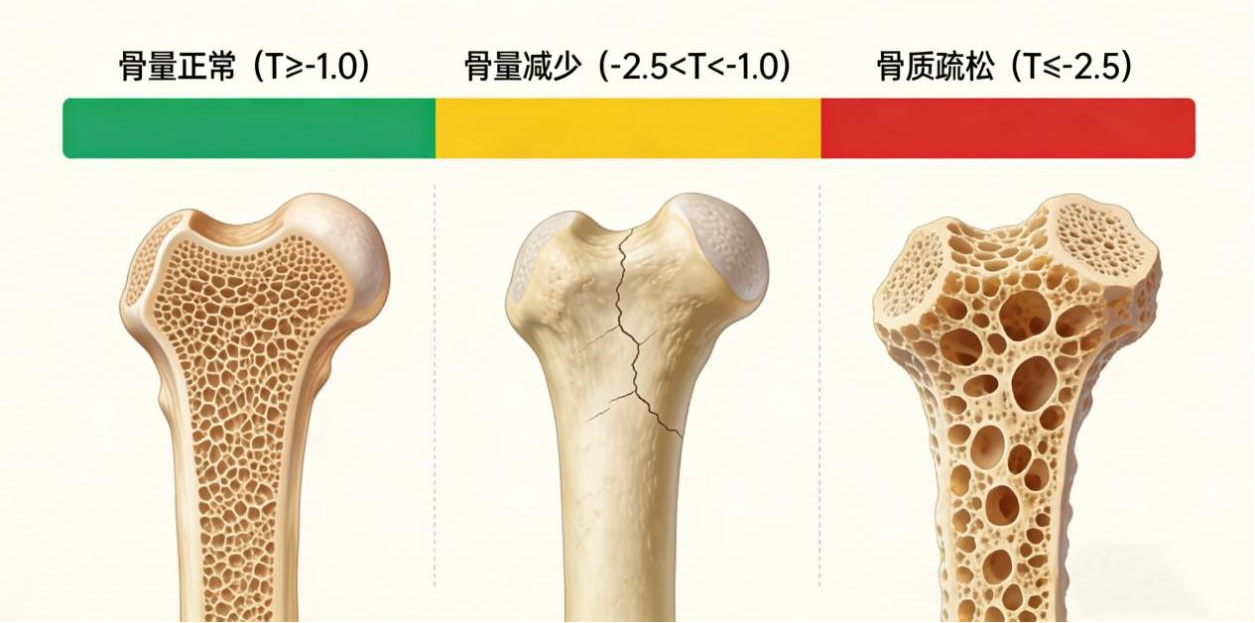
Bones are normal (T value ≥ -1.0): Bones are healthy, but good habits are needed.
Reduction in bone mass (-2.5 < T value < -1.0): The most important “golden intervention expectation”. Bones have begun to “insufficient”
Out,” the risk of fractures significantly increases. The data show that the probability of fragile fractures occurring in the population at this stage is about 10%-20%. Scientific intervention at this point is entirely possible to delay or even reverse the process.
Osteoporosis (T value ≤ -2.5): Bones have become fragile and porous, extremely prone to fractures. Fractures of the hip and spine are particularly dangerous.
In short, the lower the T value, the more “fragile” the bones are. For postmenopausal women and men over 50 years old, this is a clear diagnostic basis.
The 2025 guide highlights: “Three things to do and three things not to do” to protect the bones
The new guidelines give clear, actionable advice on lifestyle. We can summarize it as “three things to do and three things not to do” to protect the bones.
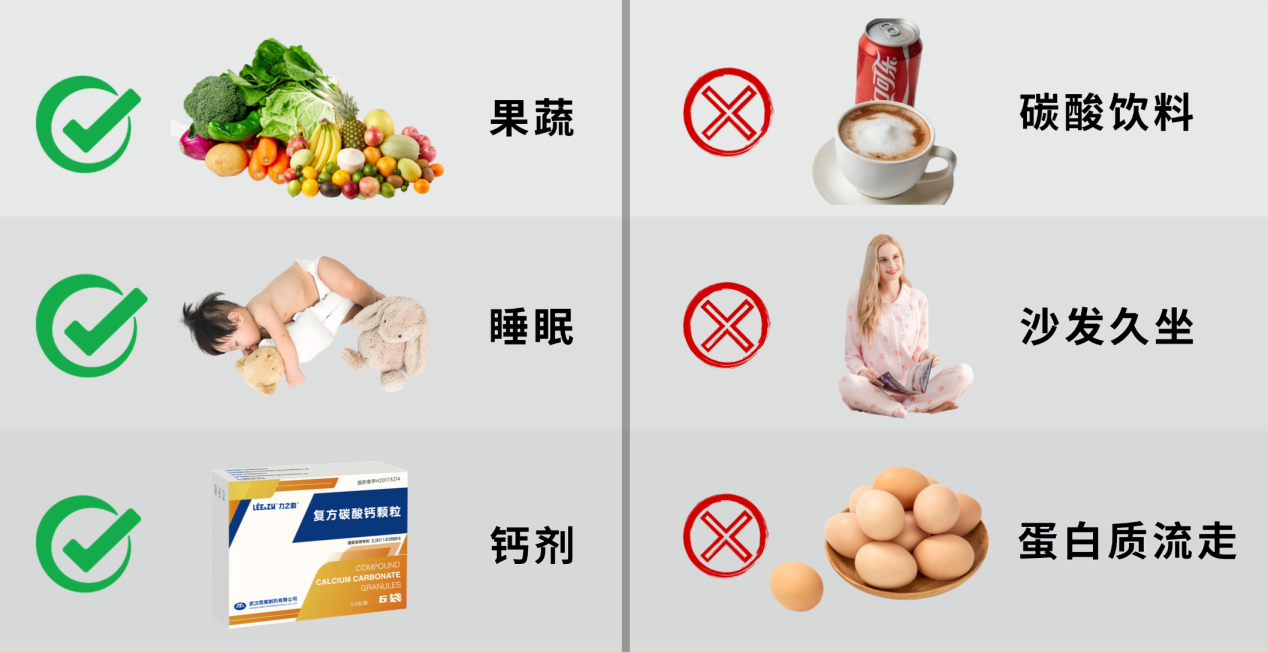
Three essentials: Proactively “saving” for bones
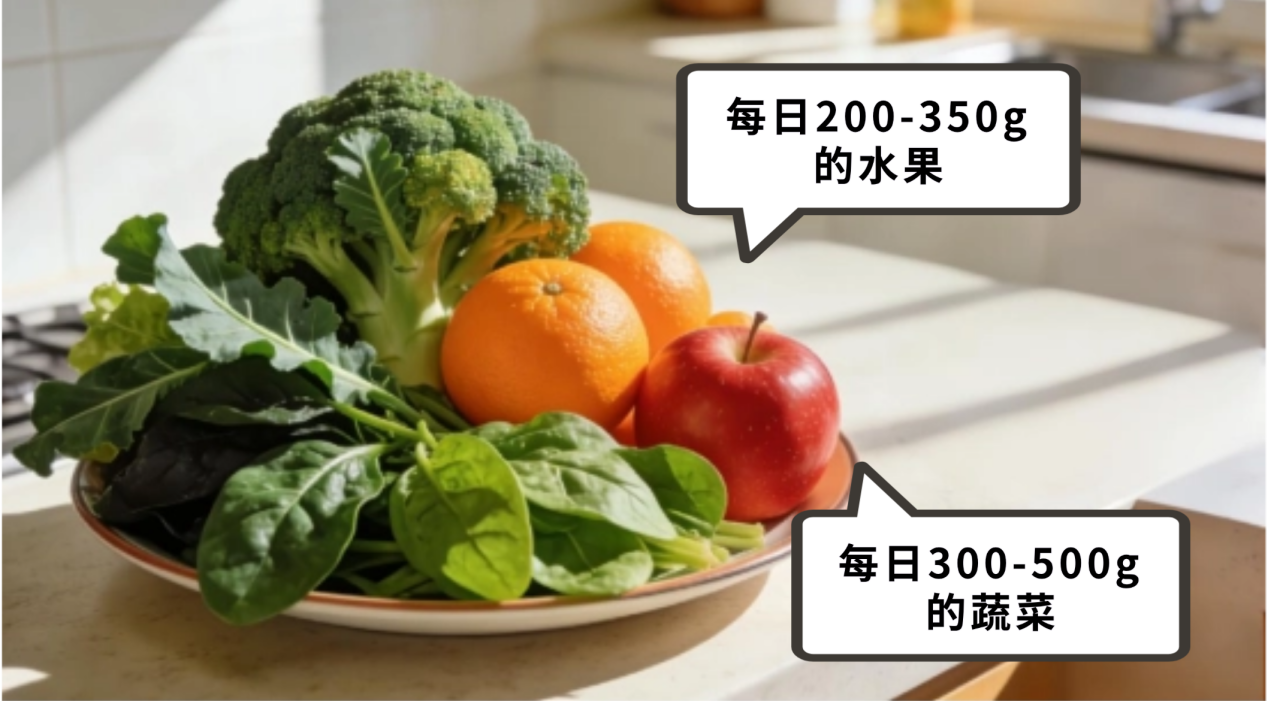
Eat more vegetables and fruits: Regular consumption of fruits and vegetables reduces the risk of hip fractures. It is recommended to eat enough 300-500 grams of vegetables and 200-350 grams of fruits daily, especially dark varieties such as broccoli and spinach.
To get a good night‘s sleep: Sleep and osteoporosis occurrences have a “U-shaped” relationship. The guidelines recommend maintaining good sleep for 8-9 hours each night as one of the effective preventive methods.

To be scientifically supplemented: This is the key to addressing the two core problems of “calcium deficiency” and “poor absorption”. Under doctor‘s guidance, 800-1200 milligrams of calcium and 400-800 IU of vitamin D3 can be supplemented daily.
Three things not to do: Prevent bone mass “stealing”
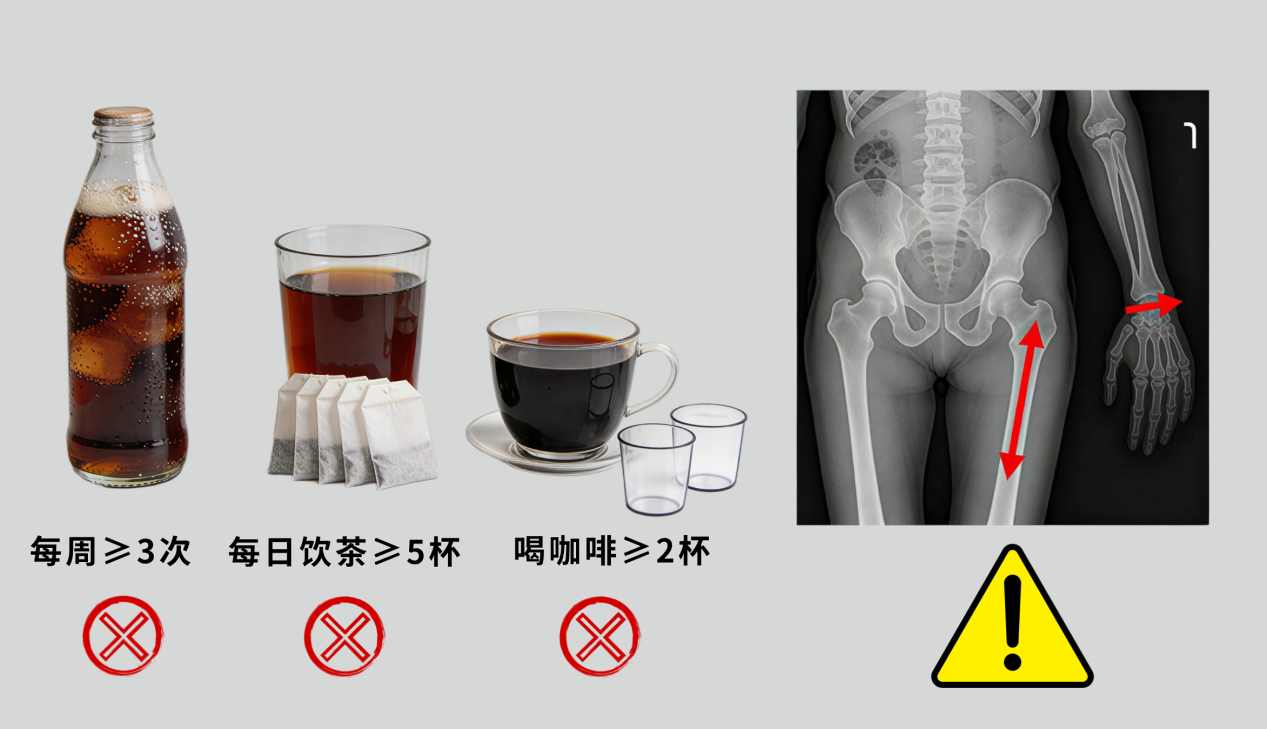
Don‘t overindulge in “calcium-stealing” beverages: The new guidelines clearly indicate that drinking carbonated beverages ≥ 3 times a week, drinking tea ≥ 5 cups daily, or drinking coffee ≥ 2 cups significantly increases the risk of fracture.
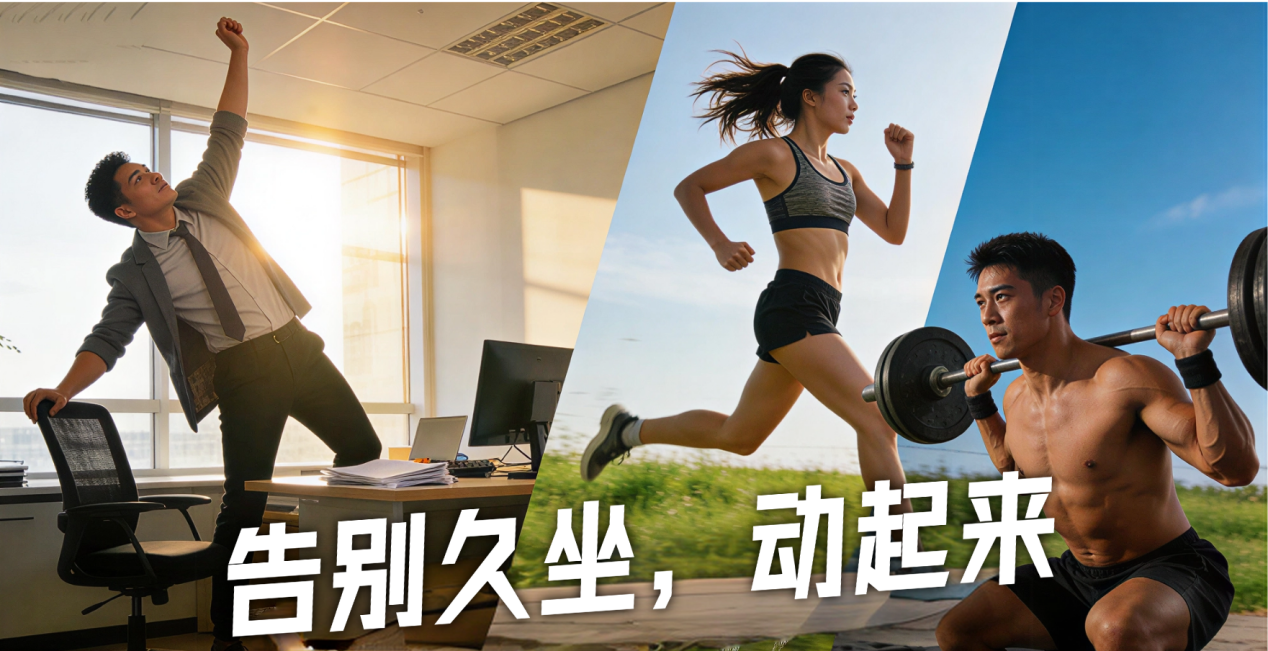
Don‘t sit still: Long-term lack of exercise accelerates bone mass loss. The guidelines emphasize that exercise is a powerful “strength”.

Don‘t ignore protein: this is the highlight of the new guide. Quality protein is the raw material for muscles and bones, and it is recommended to combine with resistance training, supplementing protein by 1.2-1.5 grams per kilogram of body weight, and strengthening muscle and bone protection.
Advances in scientific calcium supplementation: When traditional “stone calcium” meets modern “cross-combined technology”
Knowing to supplement calcium, but have you really “compensated correctly”? Many people have poor calcium supplementation effects, even developing constipation and bloating, which may be related to the traditional form of calcium agents.
Common calcium carbonate requires sufficient gastric acid to be decomposed. This greatly reduces absorption efficiency for older people with reduced gastric acid secretion and groups with delicate gastrointestinal organs.
How to solve this conundrum? The key lies in technological innovation.
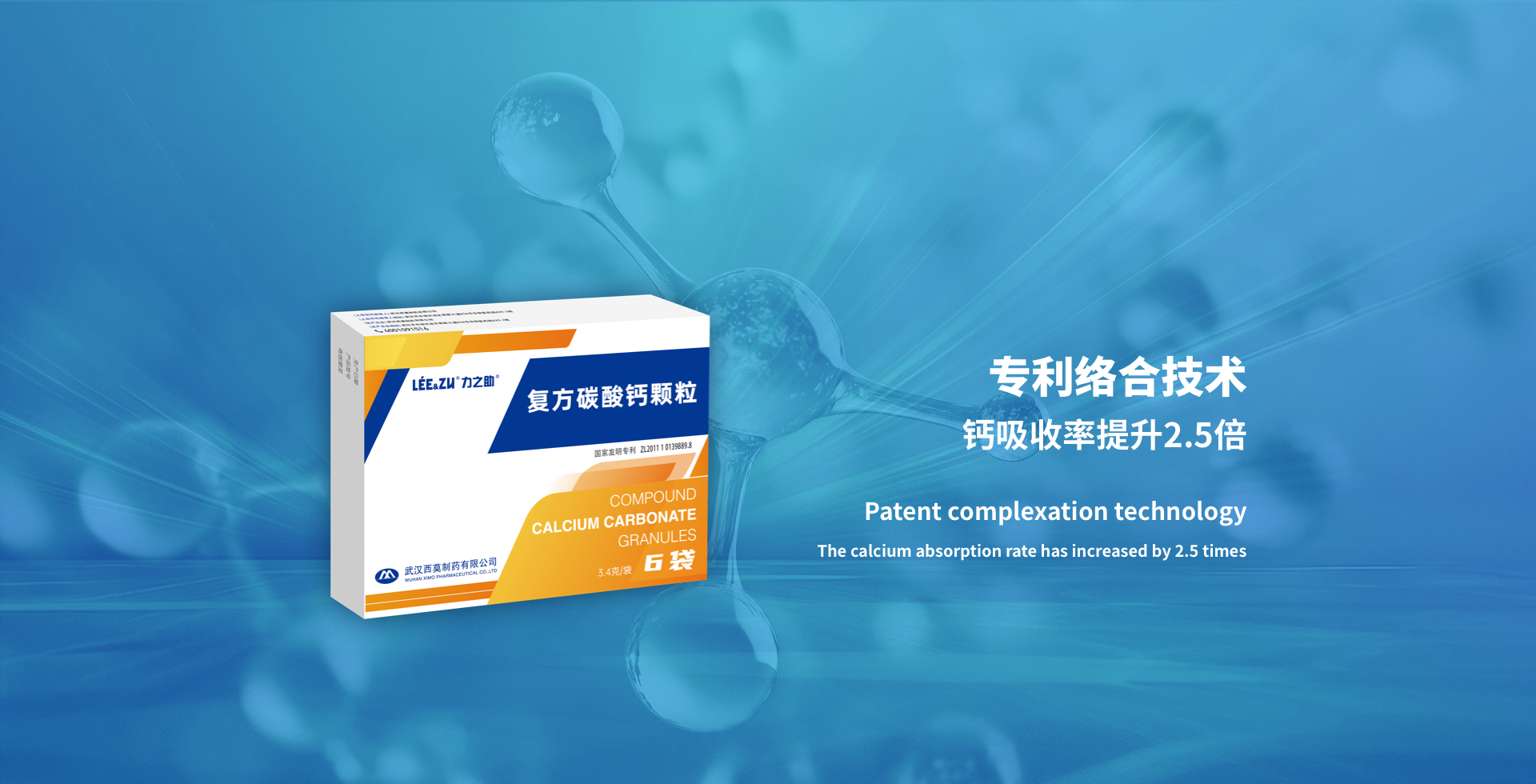
For example, Wuhan Simo Pharmaceutical‘s Lizhizhu® polycarbonate calcium particles adopted a key innovation—the “linkage” technology. When boiled in vitro, it transformed calcium carbonate into a water-soluble calcium citrate compound.
This transformation brings three advantages:

Low Absorption Threshold: Improves absorption efficiency by not relying on stomach acids.
The gut is more comfortable: Carbon dioxide is released earlier, reducing problems such as bloating, constipation, and other problems that can be caused by traditional calcium carbonate.
More stable absorption: The formed complex is more stable in the intestine, reducing the chances of being lost by binding to components such as oxalic acid in food.
At the same time, the product uses “packaging” technology to protect vitamin D3 activity, ensuring that this works precisely in synergy with the “golden partner.” As a prescription-grade calcium supplement, it is designed to provide a more efficient absorption and less gastrointestinal burden option for people who need to strengthen calcium supplementation.
Take Action: Invest in Your “Bone Bank” Starting with Understanding T Values
Skeletal health is a lifelong investment. Before age 30, we strive to “save” bone mass; after age 30, we need to “manage” it wisely to slow down loss.
The first step is to understand the status quo. It is recommended that people at high risk of osteoporosis undergo regular bone density checks and learn to understand your T value.
The second step is scientific action. If your T value has entered the warning zone of “bone mass reduction,” or if you have been diagnosed with the need for calcium supplementation therapy, choosing a well-absorbed, well-experienced calcium agent is crucial. Under doctor‘s guidance, choosing products like Lizhizhu® that focus on absorption technology and the consumption experience can help you execute your bone health management plan more effectively.
Your bone health is hidden in every dietary choice, every outdoor exercise, and every scientific supplement.